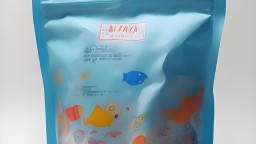
The Complete Guide to Bag Printing
Custom bag printing and manufacturing for retail, food service, e-commerce, and industry. PE, PO, OPP, PP, PVC, CPE, bubble, sealed, liquid spout, and SOS paper bags, produced in-house since 2003. Flexographic, rotogravure, and offset printing, with custom sizes, closures, and food-grade options. Free quote and samples available.
What Is Bag Printing?
Bag printing is the custom manufacture and decoration of bags in plastic film or paper, produced to a brand's size, color, and print requirements. Bags are not printed like sheets of paper. The film or paper is made first, then printed, then cut, folded, and sealed into its final shape, which is why material choice, print method, and construction all have to be decided together at the start.
The material decides what the bag can do. Polyethylene bags are soft, waterproof, and cheap. OPP film is crystal clear and stiff. PVC is transparent and durable with a smooth feel. CPE is soft-touch and anti-static. Laminated films add barriers for liquids or long shelf life. Each of these is a different production line, which is why bag suppliers usually specialize.
ZXC Print's bag division covers ten product families:
- PE Bags: LDPE, HDPE, and LLDPE bags from 0.01 to 0.15 mm.
- PO Bags: polyolefin zipper, shopping, and rope handle bags.
- OPP Bags: crystal-clear oriented polypropylene bags with self-adhesive seal.
- PP Bags: soft cast polypropylene bags in ziplock and flat styles.
- PVC Bags: clear vinyl bags, hot-pressed or sewn, for high-end packaging.
- CPE Bags: soft-touch, anti-static chlorinated polyethylene bags.
- Liquid Spout Bags: stand-up pouches with spouts for beverages and detergents.
- Sealed Bags: heat-sealed pouches with three-side, four-side, or center seals.
- Bubble Bags: LDPE cushion mailers and padded shipping bags.
- SOS Food Bags: self-opening square-bottom kraft paper bags for food service.
PE, PO, and PP: The Everyday Workhorses
Polyethylene bags are the bags most people picture when they think of plastic packaging: soft, waterproof, and cheap enough to use in huge volumes. PE comes in three grades, and the grade changes what the bag is good for. LDPE is soft and stretchy, the standard for produce and retail. HDPE is stiffer and noisier, with a crisp feel, often used for shopping bags and courier envelopes. LLDPE adds tear resistance, which is why heavy-duty zipper bags and industrial films use it. Thickness runs from 0.01 mm for light retail pockets up to 0.15 mm for heavy-duty work.
PO bags are the middle ground. Polyolefin blends the soft flexibility of PE with the stiffness of PP, which makes PO a practical choice for zipper bags, shopping bags, and gift bags with rope handles. PP bags, made from cast polypropylene film, are softer and clearer than OPP, seal well with heat, and are common for stationery, textiles, and food wrapping. Flexographic printing in up to 8 colors is standard across all three.
Details for each are on the PE, PO, and PP bag pages.
OPP and PVC: Clear, Stiff, and Upscale
When the product has to be seen, clarity decides the material. OPP film is biaxially oriented, stretched in both directions, which lines up the polymer molecules and gives the film outstanding transparency, stiffness, and gloss. An OPP bag is the clearest plastic bag there is, which is why clothing, gift, stationery, and cosmetic brands use it. The standard closure is a self-adhesive seal: peel, fold, press, no heat sealing needed.
PVC bags go a step further in feel. The material is soft to the touch and durable, with a transparency that reads as upscale, and it can be welded by high-frequency hot pressing or sewn. That makes PVC the usual choice for high-end cosmetics, jewelry, and gift packaging. Custom shapes, zipper closures, and screen printing are all available.
One difference worth knowing: OPP is somewhat brittle and not ideal for heavy loads, while PVC is more forgiving and holds its shape. Both are detailed on the OPP and PVC bag pages.
CPE: The Anti-Static Soft-Touch Option
CPE is polyethylene modified by chlorination, which turns a semi-crystalline plastic into a flexible, rubber-like material with two properties electronics makers care about: it is inherently anti-static, and it has a silky, matte surface that does not scratch sensitive parts. Standard thickness is 0.035 mm, with options up to 0.10 mm.
That combination makes CPE the preferred inner packaging for mobile phones, electronic components, optical fibers, and jewelry, where a bag that generates static or scratches a screen is a liability. It is also used for mid-to-high-end product packaging where the touch of the bag is part of the unboxing. Flexographic printing is available, and the material takes color well.
Specifications are on the CPE Plastic Bags page.
Liquid Spout Bags and Sealed Bags: Packaging With a Function
Liquid spout bags are stand-up pouches fitted with a plastic spout and closure, combining the portability of a pouch with the convenience of a bottle. They hold beverages, dairy, liquid detergent, and jellies, in fill volumes from 100 ml to 2,000 ml, and are made from multilayer laminates, typically PET, aluminum, nylon, and PE, so the liquid stays in and the shelf life stays long. Spouts come in flip-top, screw cap, and sports cap styles, and rotogravure printing handles up to 12 colors. These are the most engineering-heavy bags we make, and the ones where the seal quality matters most.
Sealed bags are the other functional family: pouches closed permanently by heat, pressure, or adhesive along three sides, four sides, or the center. The seal is tamper-evident and protects contents from air, moisture, and contamination, which is why sealed bags are the standard for food, pharmaceuticals, electronics, and industrial parts. Films range from PE and PP to laminated and foil barrier materials, from 0.02 to 0.15 mm.
See the Liquid Spout Bags and Sealed Bags pages for details.
Bubble Bags and SOS Food Bags: Built for a Specific Job
Bubble bags are bubble wrap pre-formed into pouches with sealed edges, so nothing has to be cut and wrapped by hand. Made from LDPE bubble film in bubble heights from 3 to 10 mm, they protect e-commerce orders, electronics, ceramics, and auto parts during shipping. Options include single-sided and double-sided cushioning, anti-static film for sensitive electronics, kraft or pearl laminate for a finished look, and metallized or transparent finishes. Sizes run from 100 × 150 mm up to 1,500 × 2,000 mm.
SOS food bags are the paper side of the range. The self-opening square-bottom design springs open with a single shake, which matters in a fast-moving food service line. Made from food-grade kraft paper from 80 to 200 gsm, in brown or bleached white, with twisted paper handles or a flat top, they are the classic bag for bakeries, takeaways, and grocery packing. Flexographic printing carries the brand and product information.
Details on the Bubble Bags and SOS Food Bags pages.
What Drives the Price
Bag pricing starts with the material, and the material is set by what the bag must do. A plain PE produce bag costs a fraction of a multilayer liquid spout pouch, and there is no way around that, because the film itself is different. Thickness is the second lever: going from 0.03 mm to 0.08 mm roughly doubles the resin in every bag.
Printing is next. Flexographic printing in one or two colors is inexpensive and covers most retail bags. Full-color flexo up to 8 colors, or rotogravure up to 12 colors on laminates, costs more but is what carries a brand on a shopping bag or a food pouch. Construction closes the list: zippers, handles, spouts, windows, and custom shapes each add a production step.
Our practical advice for bag buyers: match the material to the product first, then the closure to how the customer will open it, then spend what is left on printing. A bag that protects the product and opens easily sells the brand more than one with extra colors and a bad zipper.
Frequently Asked Questions
What is the minimum order quantity for bags?
It depends on the type. Standard PE, PO, OPP, and PP bags generally start around 5,000 pieces. PVC, CPE, bubble, and SOS bags can start lower, while liquid spout and sealed bags depend on the laminate structure and size. Tell us the bag type and quantity and we will quote accordingly.
Are food-grade bag options available?
Yes. Food-grade materials are available across PE, PO, OPP, PP, sealed bags, and SOS kraft paper bags, using films and inks suitable for direct food contact. Confirm the application when requesting a quote so we specify the right grade.
How many colors can you print on bags?
Flexographic printing handles up to 8 colors on PE, PO, OPP, PP, and CPE bags. Rotogravure printing on laminated films (liquid spout and high-end sealed bags) handles up to 12 colors with finer detail.
Can you match custom sizes?
Yes. Every bag type is made to order in custom dimensions, from small retail pockets to large industrial films and mailers up to 1,500 × 2,000 mm. Send the product dimensions and we will recommend the bag size and material.
How long does production take?
Typically 3–8 business days for bubble bags and CPE, 5–12 days for PE, PO, OPP, PP, PVC, and sealed bags, and 7–15 days for liquid spout bags, depending on printing and quantity.
Why ZXC Print for Bag Printing
- Ten bag types, one factory: film blowing, printing, die-cutting, sealing, and assembly in-house since 2003.
- Material expertise: PE, PO, OPP, PP, PVC, CPE, laminates, kraft paper, and bubble film matched to the application.
- Real print capability: flexographic up to 8 colors and rotogravure up to 12 colors.
- Food-grade options: films and inks suitable for direct food contact across most bag types.
- Pre-production samples: approve a physical sample before the full run.
Our Bag Printing Product Categories
Each bag type has its own page with full specifications, materials, and options.
- PE Bags: LDPE, HDPE, and LLDPE, 0.01–0.15 mm, flat, zipper, and gusset styles.
- PO Bags: polyolefin zipper, shopping, gift, and rope handle bags.
- OPP Bags: crystal-clear film with self-adhesive seal, no heat sealing.
- PP Bags: soft cast polypropylene, ziplock, flat, and self-seal styles.
- PVC Bags: clear vinyl, hot-pressed or sewn, zipper and hanging options.
- CPE Plastic Bags: soft-touch, anti-static, ideal for electronics and jewelry.
- Liquid Spout Bags: stand-up pouches with spouts, 100–2,000 ml fill volumes.
- Sealed Bags: heat-sealed pouches with three-side, four-side, and center seals.
- Bubble Bags: cushion mailers from 100×150 to 1,500×2,000 mm.
- SOS Food Bags: self-opening square-bottom kraft bags for food service.
Related reading: paper bag printing for retail and gift paper bags, and promotional printing for the wider campaign range.