CR80 (85.6 × 54 mm) & Custom
Standard & Custom Card Sizes
PVC, PET & Eco Materials
Magnetic Stripe, IC Chip, Barcode & NFC
5–10 business days
Turnaround Time

Start your Plastic Card Printing project with a free quote. Click here to Inquire.

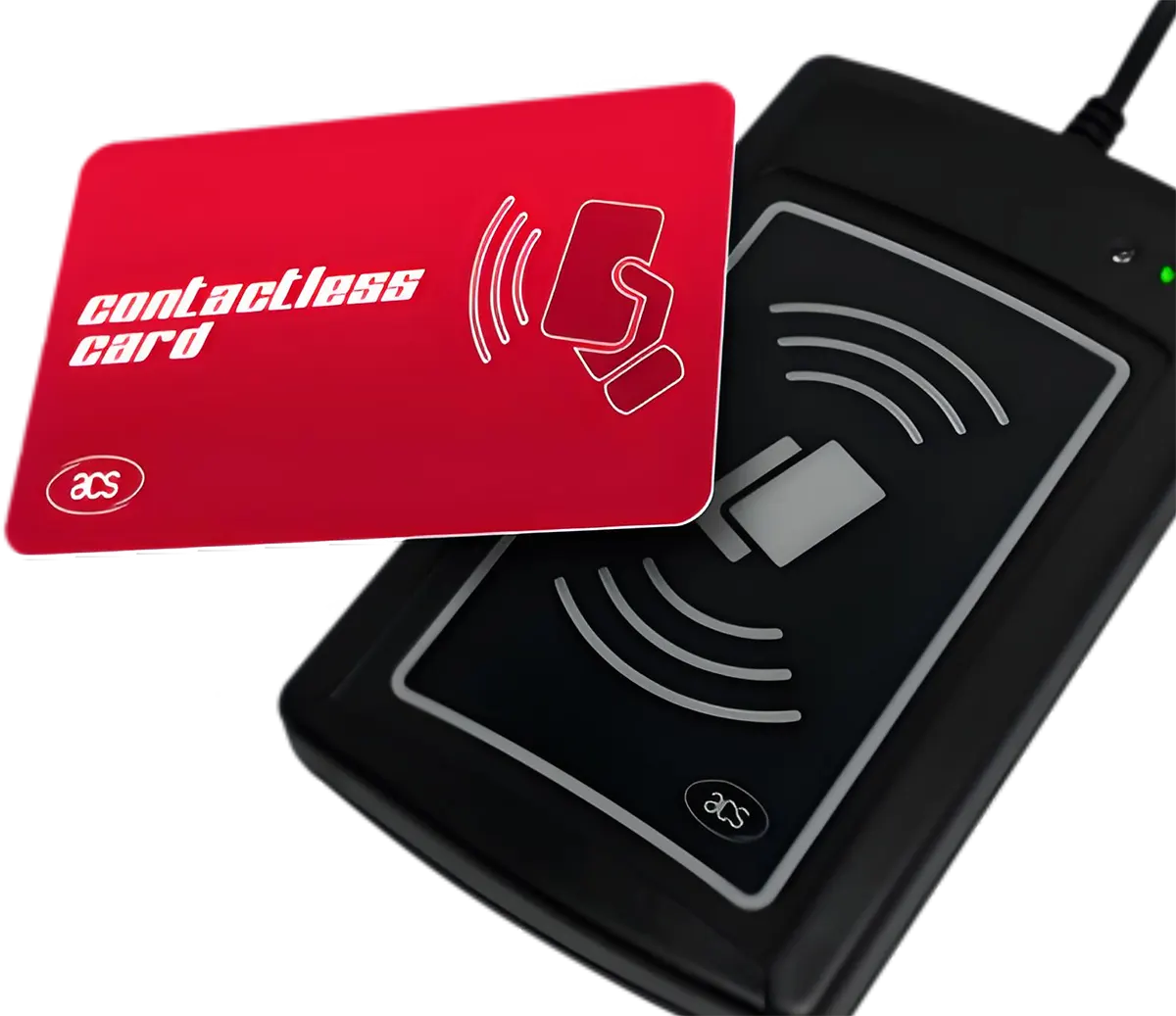
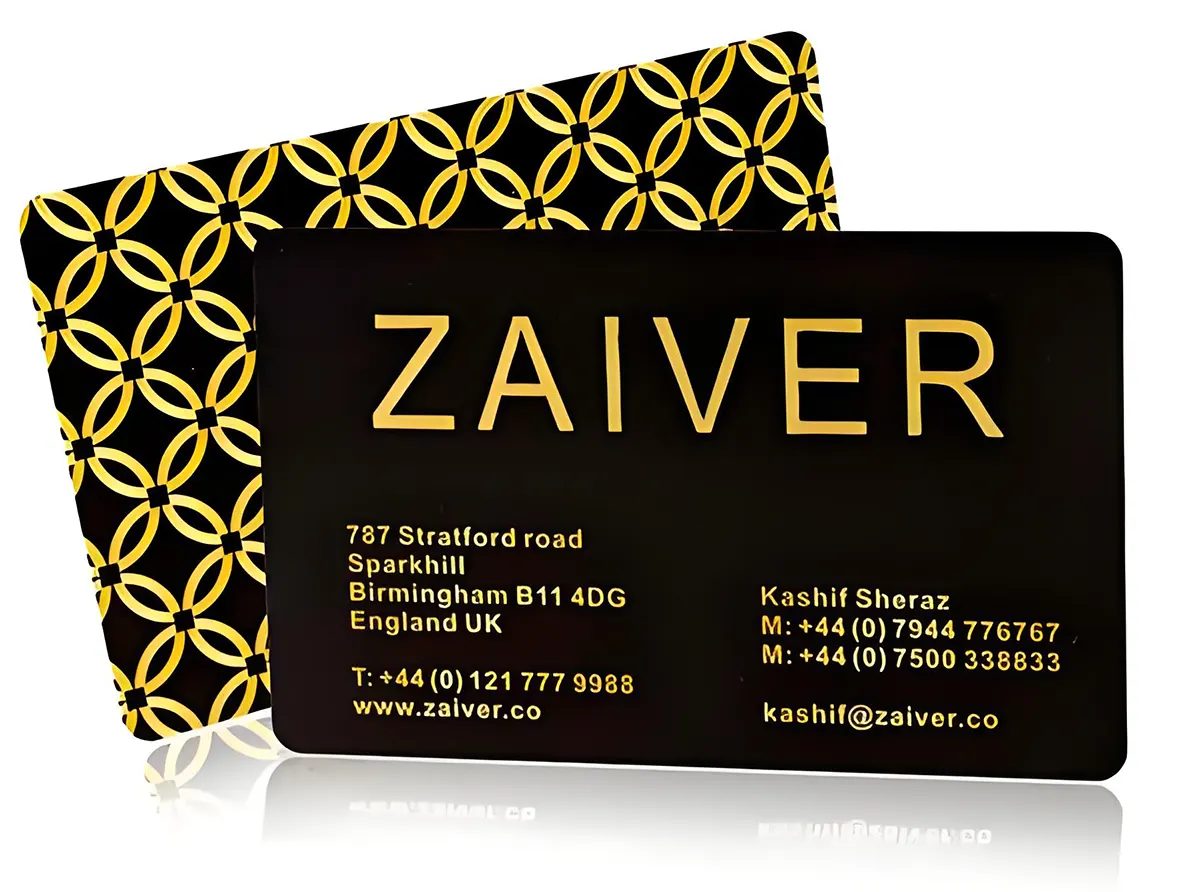
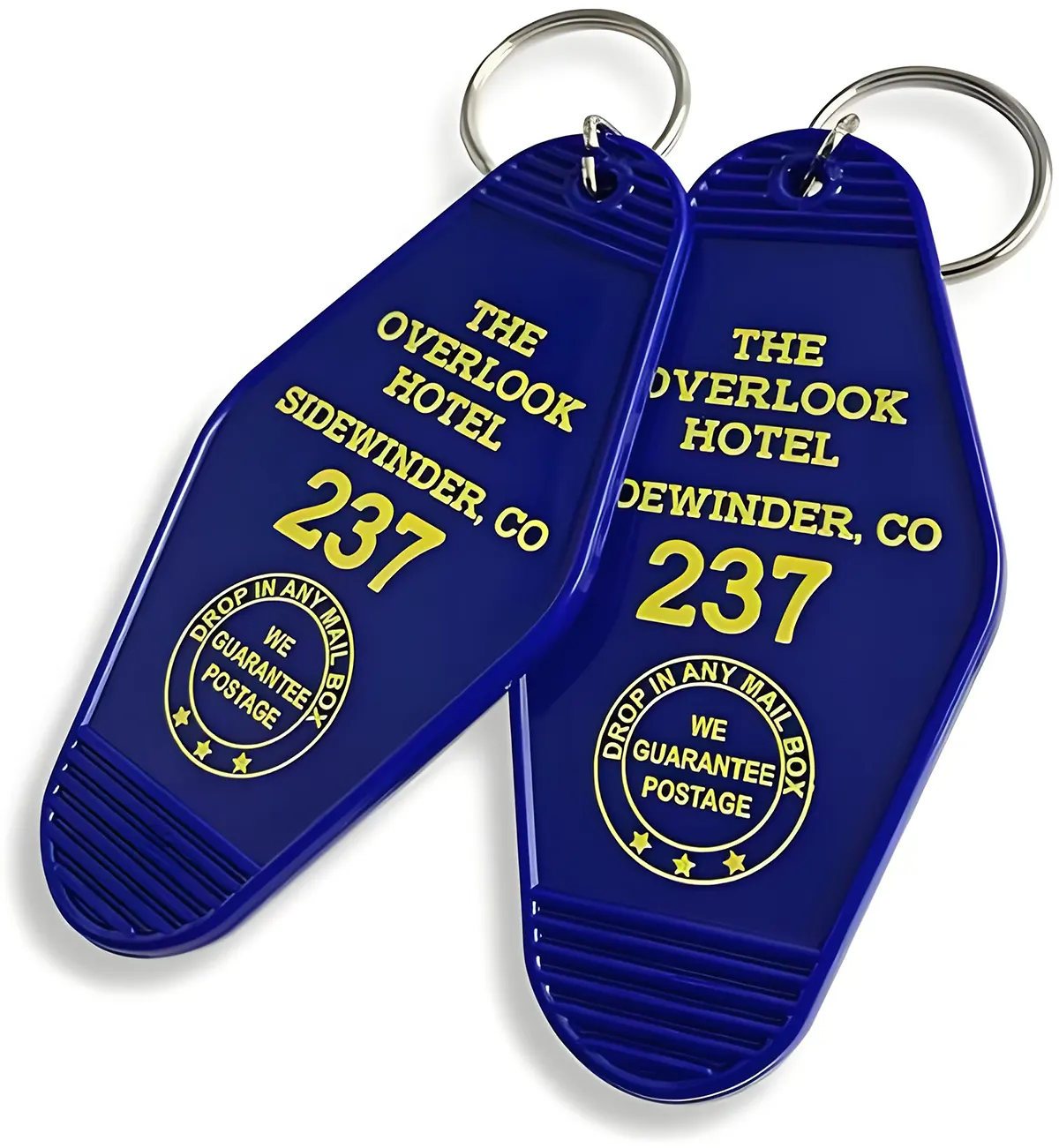
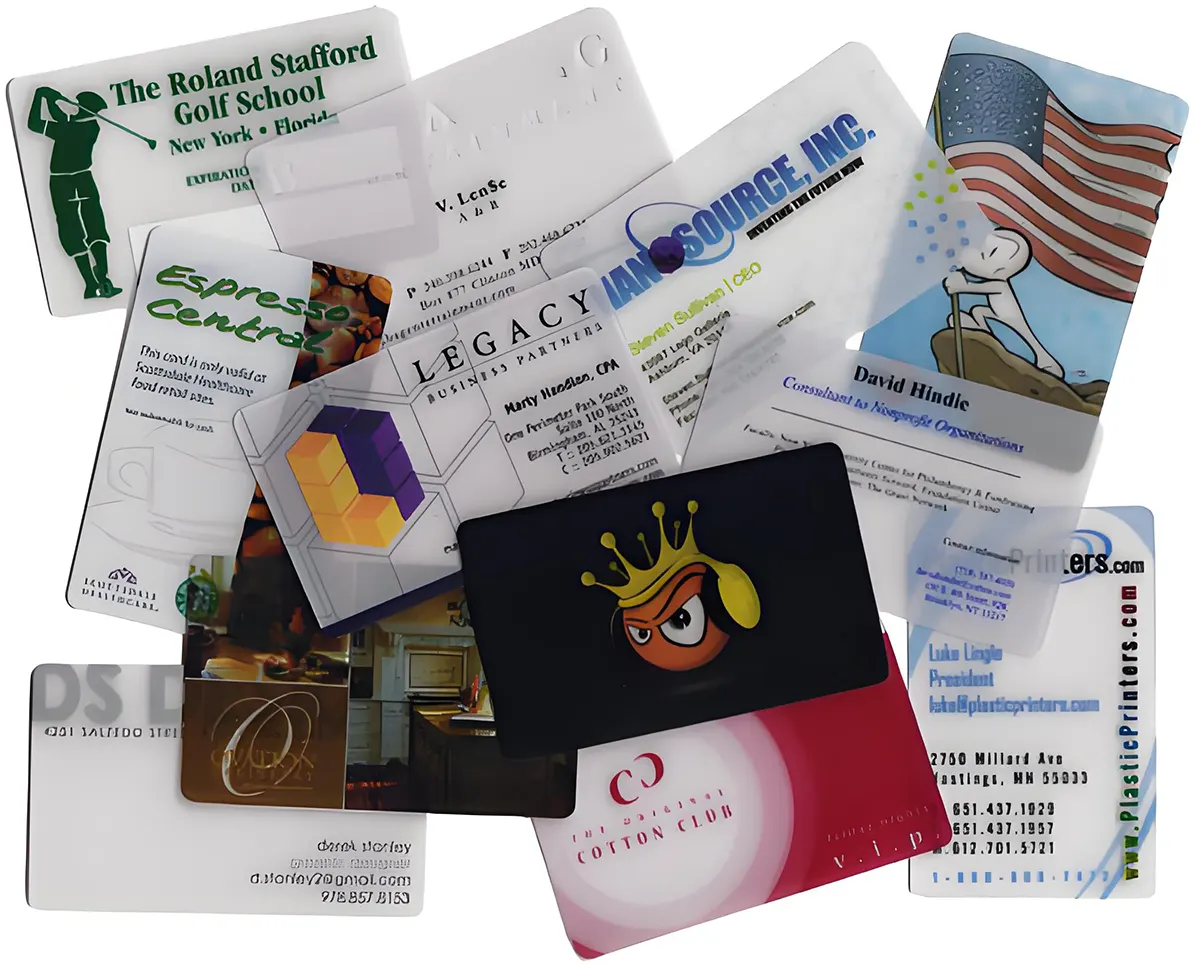
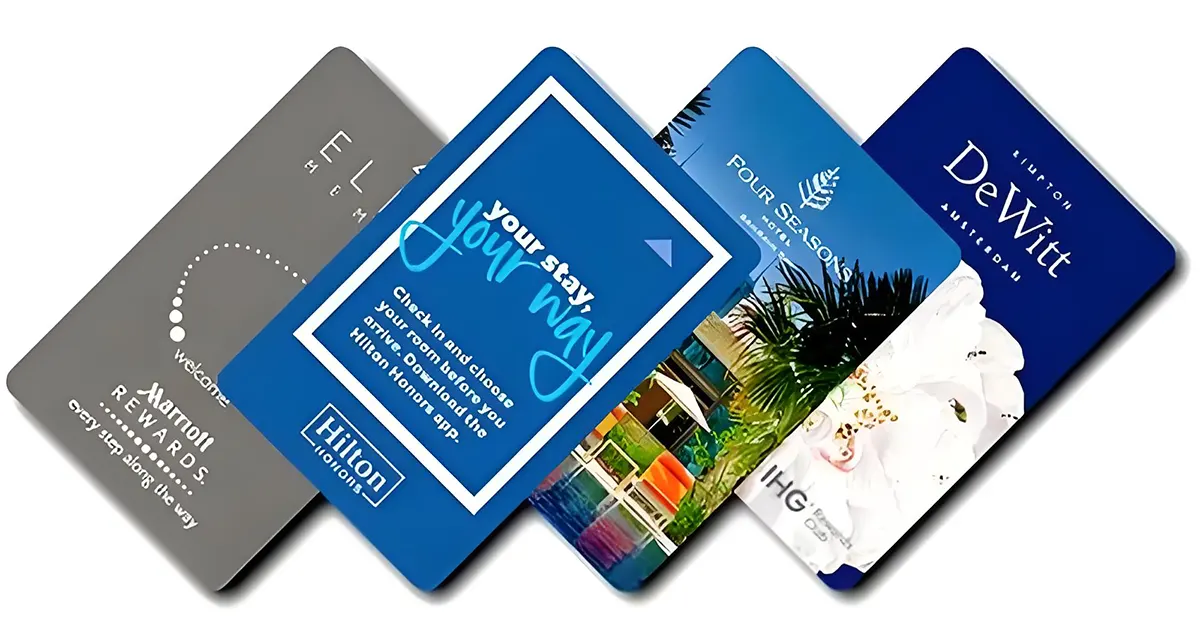
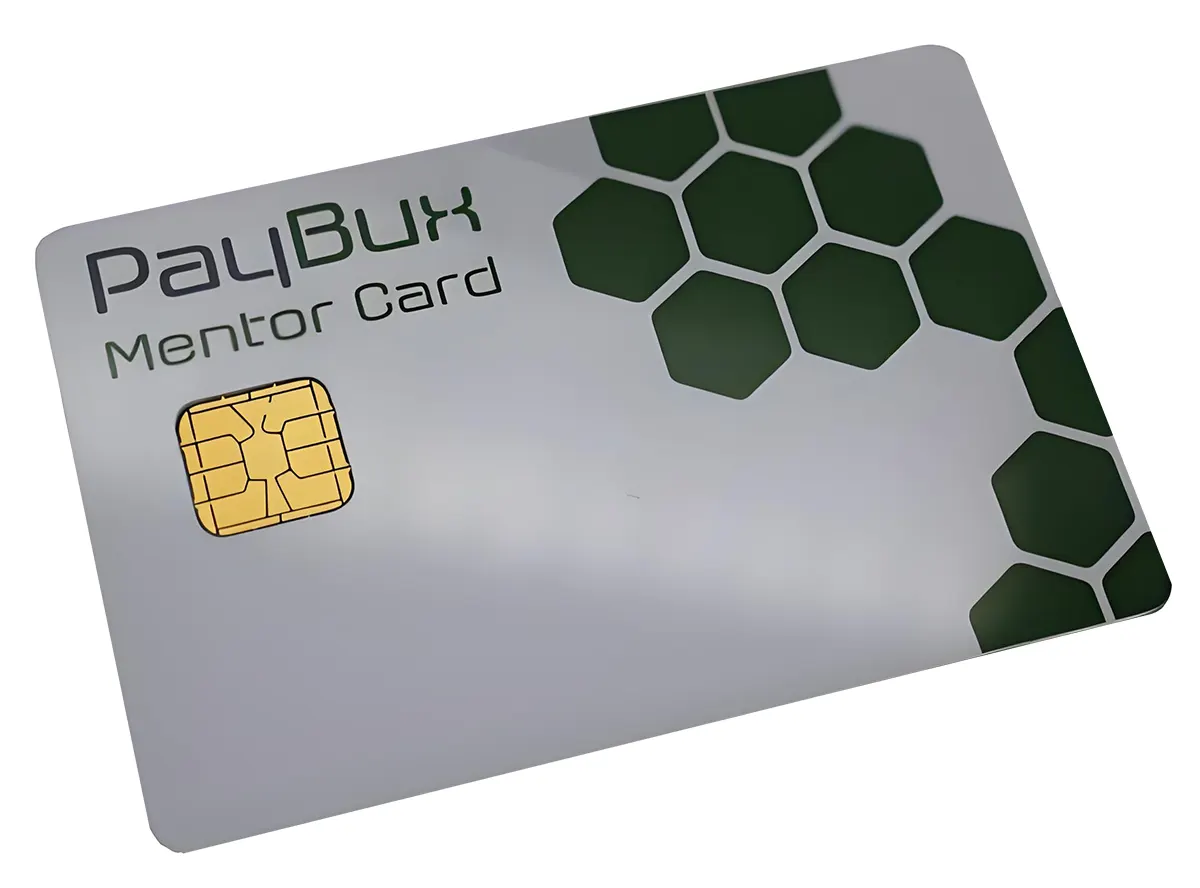
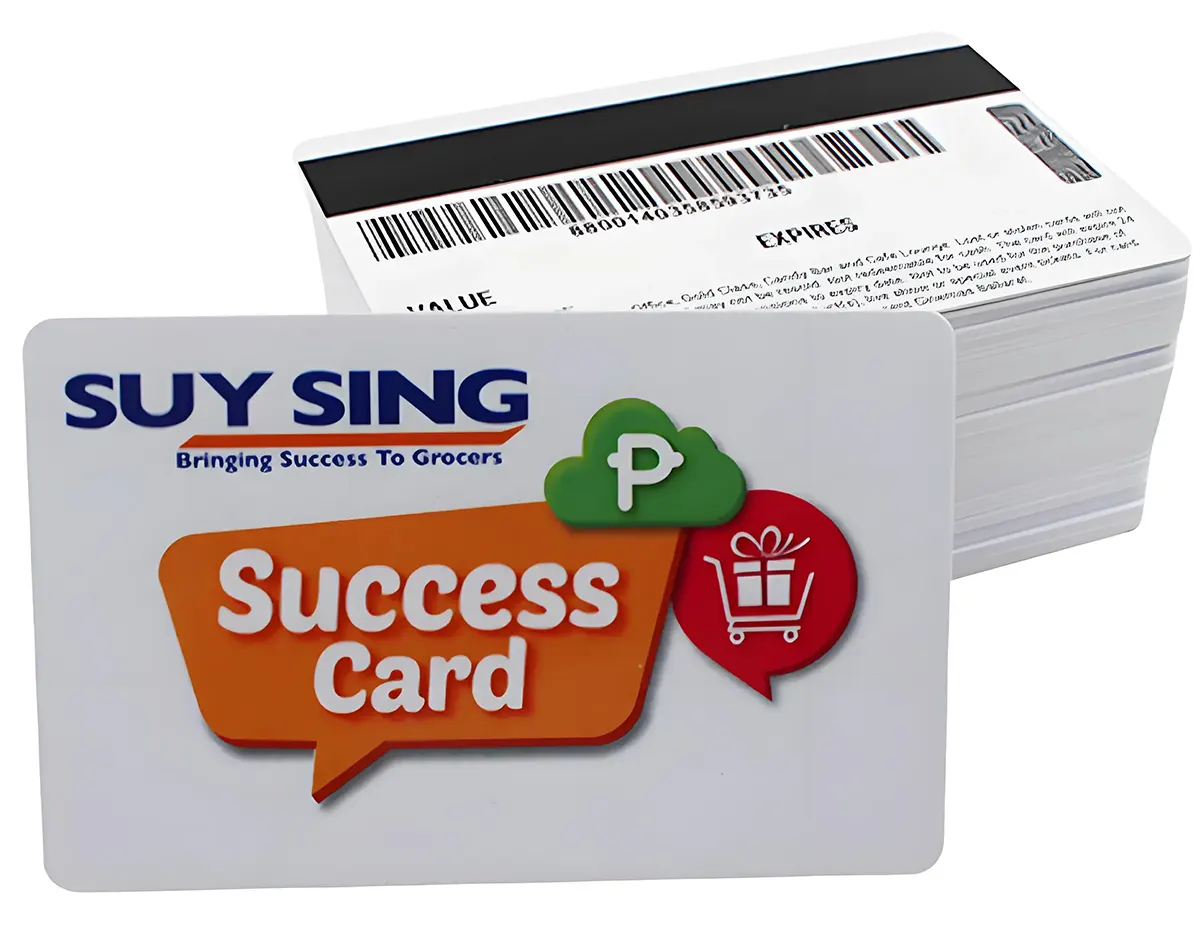
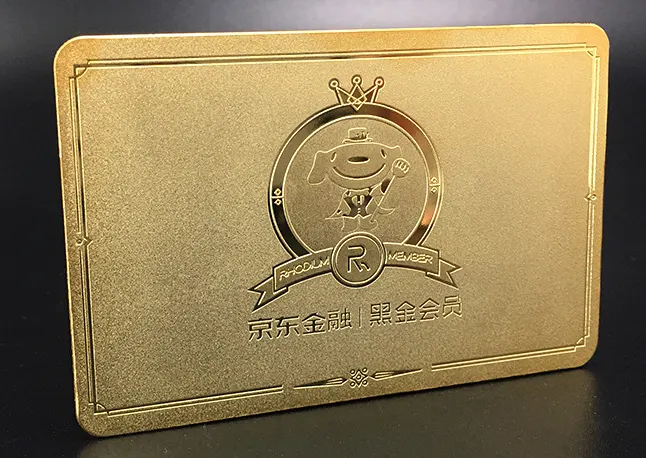
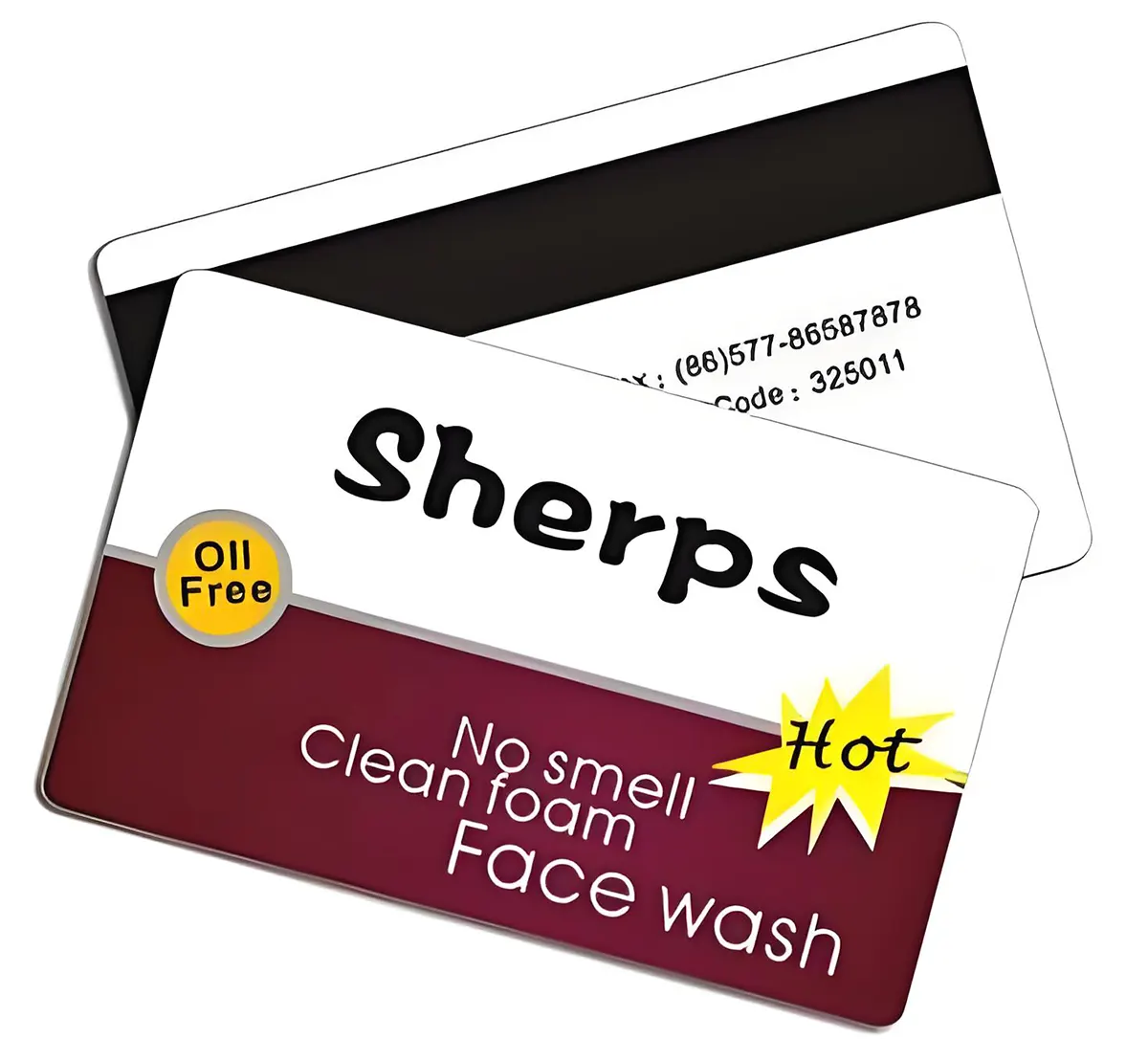
Looking for custom plastic card printing? ZXC Print manufactures PVC, PET, and eco-friendly plastic cards with full-color offset, silkscreen, and digital printing, from standard CR80 credit-card sized membership cards to custom-shaped contactless smart cards. We produce magnetic stripe cards, barcode cards, hotel key cards, gift cards, and access control cards with in-house Heidelberg offset, die-cutting, silkscreening, and encoding equipment. Runs from 500 to 500,000+ cards. Free quote and pre-production samples available.
Plastic card printing is the industrial process of manufacturing custom identification, payment, membership, and promotional cards from rigid or flexible plastic substrates. Unlike paper-based cards, plastic cards are durable, water-resistant, and capable of carrying functional elements such as magnetic stripes, embedded microchips, NFC antennas, and barcodes.
The production process begins with plastic sheeting (typically PVC or PET) that is printed using offset, silkscreen, or digital methods, then laminated for protection and durability. Printed sheets are cut to individual card blanks via precision die-cutting. Functional encoding (magnetic stripe, IC chip bonding, or barcode printing) is applied at the final stage.
ZXC Print has operated since 1998 and runs Heidelberg offset presses alongside dedicated card finishing equipment for magnetic stripe encoding, chip embedding, numbering, and barcoding. All card production (printing, lamination, die-cutting, encoding, and quality inspection) is completed in-house for consistent turnaround and quality control.
Related services: promotional printing.
We produce a wide variety of plastic card types, each designed for specific use cases. Below is a breakdown of the most common card categories and their typical applications.
Plastic cards follow established industry size standards. The ISO/IEC 7810 standard defines the ID-1 format (CR80), which is the most widely used plastic card size worldwide. Custom sizes and shapes are also available for branding differentiation.
| Format | Dimensions | Thickness Range | Common Use |
|---|---|---|---|
| CR80 (ID-1) | 85.6 × 54 mm | 0.30 – 0.84 mm | Credit cards, ID cards, membership cards, gift cards, and hotel keys. The de facto global standard |
| CR79 | 83.9 × 51.0 mm | 0.30 – 0.76 mm | Pre-cut card blanks used in some ID card printers; slightly smaller than CR80 |
| CR100 | 98.5 × 67.0 mm | 0.30 – 0.84 mm | Larger format for driver's licenses, student ID badges, and oversized access cards |
| Custom Shapes | Any custom outline | 0.30 – 0.84 mm | Branded key tags, unique gift card shapes, promotional swag cards, luggage tags |
Thickness note: Standard CR80 cards are 0.76 mm (30 mil). Smart cards with embedded IC chips typically require 0.84 mm (33 mil) due to the chip module thickness. Custom die charges apply for non-standard shapes.
The substrate material determines the card's rigidity, durability, environmental footprint, and printing compatibility. Below is a comparison of the materials we offer for plastic card production.
| Material | Thickness Range | Best For | Characteristics |
|---|---|---|---|
| PVC Rigid | 0.30 – 0.84 mm | Standard membership cards, gift cards, ID cards, hotel keys | Excellent print adhesion, flexible enough for embossing, rigid enough for daily use. Accepts magnetic stripe, IC chip, and barcode encoding. Most cost-effective option for high-volume runs. |
| PVC Flexible | 0.30 – 0.50 mm | Key tags, luggage tags, bendable promotional cards | Softer and more pliable than rigid PVC. Good for cards that need to flex during use. Can be printed and laminated using the same processes as rigid PVC. |
| PET (Polyethylene Terephthalate) | 0.30 – 0.76 mm | Eco-conscious branding, long-life cards, chip cards | Recyclable material with higher heat resistance and lower environmental impact than PVC. Less flexible than PVC. Accepts offset and digital printing with proper surface treatment. Compatible with most encoding options. |
| Eco-Composite / Biodegradable | 0.50 – 0.76 mm | Green branding, sustainable loyalty programs, eco-certified products | Made from recycled or plant-based polymer blends (PLA/PHA). Compostable under industrial conditions. Print quality is comparable to PVC. Limited availability for custom shapes and very high volumes. |
| PET-G (Glycol-Modified PET) | 0.30 – 0.76 mm | Cards requiring high transparency, key tags | Crystal-clear material with excellent clarity. Stronger and more chemical-resistant than standard PET. Often used for transparent or translucent ID cards and clear promotional cards. |
Each plastic card printing method offers different trade-offs in color quality, cost per unit, setup time, and run length suitability. The choice depends on quantity, design complexity, and functional requirements.
| Technology | Color Capability | Advantages | Limitations | Run Size |
|---|---|---|---|---|
| CMYK Offset Printing | Full-color (CMYK + Pantone spot) | Highest color accuracy and consistency across the entire run. Sharpest halftone reproduction for photographic images. Best per-unit cost at volume. Heidelberg offset presses deliver precise registration. Supports Pantone spot colors for brand-matching. | Higher initial setup cost (plate making). Minimum run of approximately 1,000 cards for economic feasibility. Color adjustments require re-plating. | 1,000 – 500,000+ |
| Silkscreen Printing | Spot colors only (opaque inks) | Thick, vibrant ink laydown with excellent opacity on dark substrates. Pantone matching available. Low plate cost. Good for designs with large solid color areas or metallic ink effects. | Not suitable for photographic images or fine halftones. Each color requires a separate screen and pass. Color registration is manual. Slower per-unit speed compared to offset. | 500 – 50,000 |
| Digital Printing | Full-color (CMYK) | Zero setup cost; prints directly from digital file. Variable data printing (each card can have unique text, barcode, or image). Fastest turnaround for small runs. Ideal for short-run membership card programs with personalized member data. | Higher per-unit cost than offset at large volumes. Color gamut may be narrower than offset. Lower resistance to UV fading without lamination. Print speed limits throughput on very large orders. | 500 – 10,000 |
Hybrid approach: For complex orders, ZXC Print combines methods: offset printing for the card face artwork and silkscreen for metallic or opaque spot colors, with digital variable data printing for personalized member information.
Plastic cards are often more than printed visuals. They carry data, security features, and electronic access functions. Below is an overview of the encoding and functionality options available.
| Technology | Data Capacity | Standards | Typical Read Range | Applications |
|---|---|---|---|---|
| Magnetic Stripe | 3 tracks, up to 226 alphanumeric characters | ISO 7811 (track 1/2/3), HiCo (2750 Oe) or LoCo (300 Oe) | Contact swipe only | Hotel keys, gift cards, student ID, prepaid cards, parking passes |
| Contact IC Chip (Smart Card) | 4 KB – 144 KB (EEPROM) | ISO 7816 (contact interface), EMV Level 1 & 2 | Contact (insert reader) | EMV payment cards, healthcare ID, SIM cards, e-purse applications |
| Contactless IC (NFC / RFID) | 144 bytes – 8 KB (MIFARE Classic); up to 80 KB (DESFire EV3) | ISO 14443 Type A/B (13.56 MHz), ISO 15693 (vicinity), NFC Forum | Up to 10 cm (ISO 14443) or up to 100 cm (ISO 15693) | Hotel key cards, transit passes, access control, contactless payment, event badges |
| Barcode / QR Code | Variable (Code 128: up to 48 chars; QR: up to 7,089 numeric) | Code 128, Code 39, EAN-13, PDF417, QR Code, Data Matrix | Scanner line of sight (contact or near-contact) | Warehouse tracking, library cards, patient wristbands, membership scanning |
| Signature Panel | N/A (physical writeable strip) | White or ghosted-text adhesive panel applied to card surface | Visual verification only | Credit cards, ID cards, membership cards requiring signature verification |
Encoding note: Magnetic stripe encoding and IC chip bonding are performed in-house on dedicated equipment. Barcode and QR codes are printed with high-contrast black on white after lamination for optimal scanner readability.
Decorative finishes enhance the visual appeal, tactile feel, and perceived value of plastic cards. These are especially popular for high-end membership tiers, hotel key cards, and high-end gift cards.
| Finish | Application | Cost Level | Best Results On |
|---|---|---|---|
| Gloss Lamination | Full-surface high-gloss protective overlay | Standard | All substrates; most common finish for membership and gift cards |
| Matte Lamination | Full-surface non-reflective protective overlay | Standard | All substrates; preferred for signature panels and photo ID cards |
| Soft-Touch Lamination | Velvet-like tactile coating on the card surface | Moderate | PVC and PET; most effective on smooth, untextured cards |
| Spot UV Varnish | Selective high-gloss coating on logos, text, or decorative elements | Moderate | Matte-laminated cards for contrast between matte field and glossy spot |
| Hot Foil Stamping | Gold, silver, rose gold, copper, or holographic metallic foil applied to specific areas | High-end | PVC rigid; uncoated card surface for best foil adhesion |
| Embossing / Debossing | Raised or recessed text, logo, or pattern on the card surface | High-end | PVC rigid card stock (0.76 mm minimum); classic credit card embossed numbering |
| Numbering & Barcoding | Sequential or custom numbers printed, embossed, or laser-engraved | Moderate | All substrates; includes magnetic stripe encoding alignment |
| Scratch-Off Panel | Opaque silver or gold removable foil covering a specific area | Moderate | PVC rigid; typically applied over a pre-printed PIN, code, or reward text |
Plastic card printing serves a diverse range of industries. Below are the most common use cases we fulfill at ZXC Print.
Request a free quote or speak with our plastic card printing specialists about your project specifications: card type, quantity, size, substrate, printing method, and functional requirements.
Get a Free Quote Contact Us