
The sheet feeder sits at the front of every sheet-fed offset press, and its condition sets a ceiling on both running speed and register accuracy. It has to lift one sheet at a time, separate it cleanly, carry it to the front guides and hand it to the transfer grippers without a stumble. In shops chasing output, the feeder is often the last unit to get service attention. Add years of wear, and the symptom everyone recognises appears: sheets that will not feed steadily.
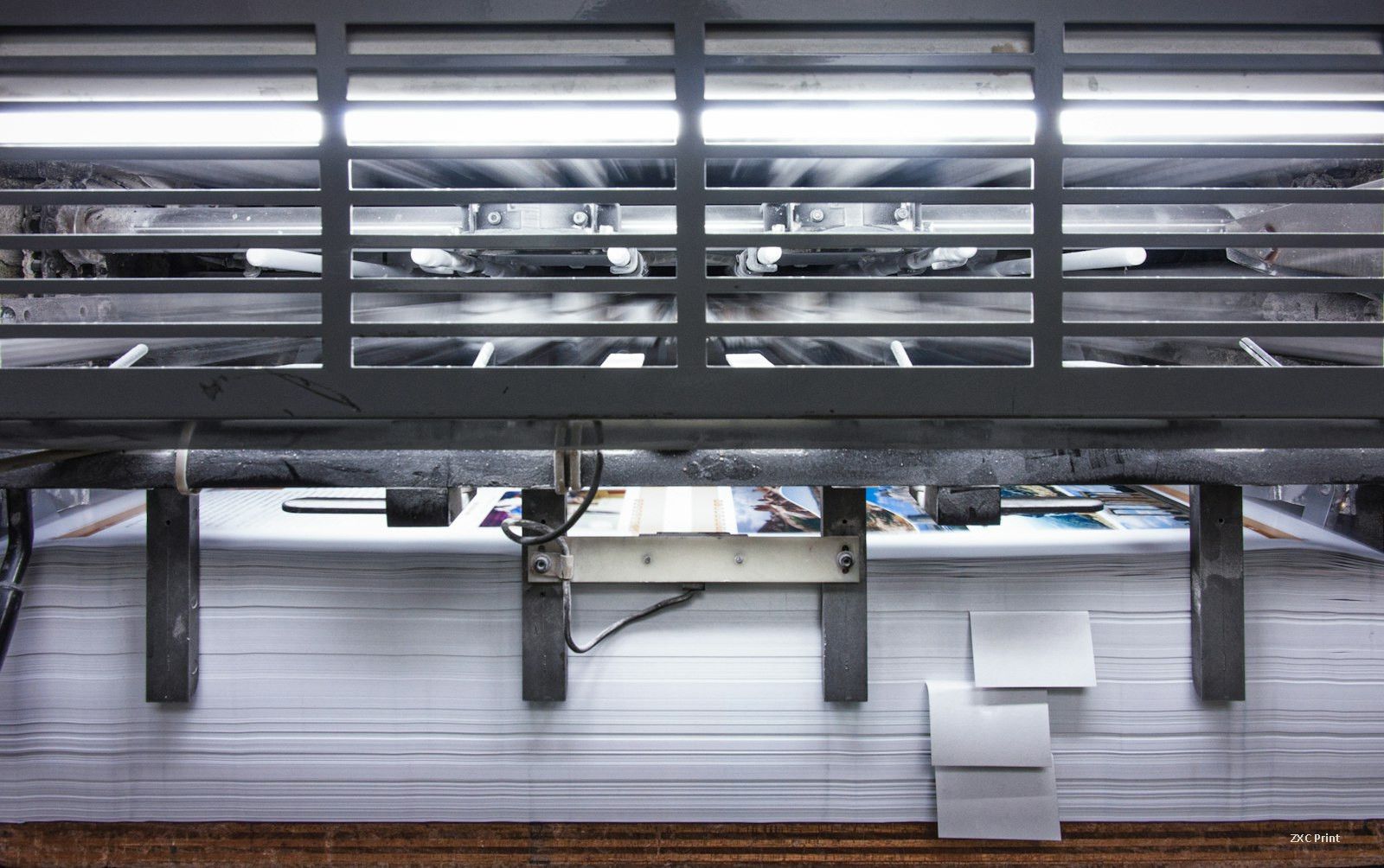
The faults below come from day to day work on older presses. Each one is mechanical, each one reaches the operator as the same vague complaint, and each one has a straightforward fix.
Worn Universal Joint Yokes
On many presses the universal joint that drives the feeder runs open to the air. Paper dust collects in the fork yokes and around the connecting balls, and the joint grinds that grit into the bearing surfaces. Over months the fork faces wear, the running clearance opens up, and the shaft starts to vibrate with every revolution. At the feed board you see it as a shiver in the pile and sheets arriving out of square.
Replace the worn fork yokes together with the connecting balls. When the new yokes go on, line the two fork openings up in the same plane. Miss that step and the fresh parts become a vibration source of their own.
Neglected Air Distribution Valves
Suction nozzles pull paper dust and grit straight into the air valve. The abrasive paste between valve body and housing wears both, and careless handling of the body can score the air grooves. Once a groove is damaged, the delivery nozzle keeps pulling at the end of its stroke: suction is still there when the feed roller comes down, the sheet hesitates, and the feed cycle stutters. Register suffers at once, and operators end up chasing the fault through the whole press.
Pull the valve and look at the grooves. If the wear is heavy, clean the groove area and build up the tail of the groove with welding rod, roughly 2 to 4 mm, judging the amount by how long the hesitation lasts. Dress the weld back flush before refitting.
Worn Bevel Gears and Sheared Pins
The pair of bevel gears beside the feed clutch runs exposed, in the dirtiest part of the machine. With poor lubrication the tooth flanks wear fast, and the fit between the bevel gear and its key turns into a loose clearance fit. The result is the familiar judder in the feed, plus a rattle that comes and goes with press speed.
A sheared pin is a different story. It usually follows a stuck air valve, a dry bearing or another fault that spikes the load on the drive. Before fitting a new pin, find out why the old one failed. Check every pin in the train for heat marks and iron powder. A pin that has been running hot is close to letting go, and a second failure on the same shift costs far more than the inspection.
Smaller Causes Worth Checking
Three more items produce the same complaint and are easy to overlook. A weak compression spring behind the brake block lets the feed pile creep forward. A worn bearing in the feed roller allows side play. Loose clamp bolts on the separating head linkages let the settings drift as the press runs. Each takes minutes to check and can save a full afternoon of guesswork.
Feeder faults rarely announce themselves clearly. Work from the drive outward: joint, valve, gears, then the small hardware. Replace what is worn, reset what has moved, and the feed comes back to steady.