
An inkjet coder is only as reliable as its printhead. The printhead is the most delicate part of the machine, and the way it is handled day to day decides both print quality and how long the head keeps working. Small, consistent habits cost little time, and they protect the single most expensive component on the machine. The points below cover the routine care that keeps a coding head printing cleanly run after run.
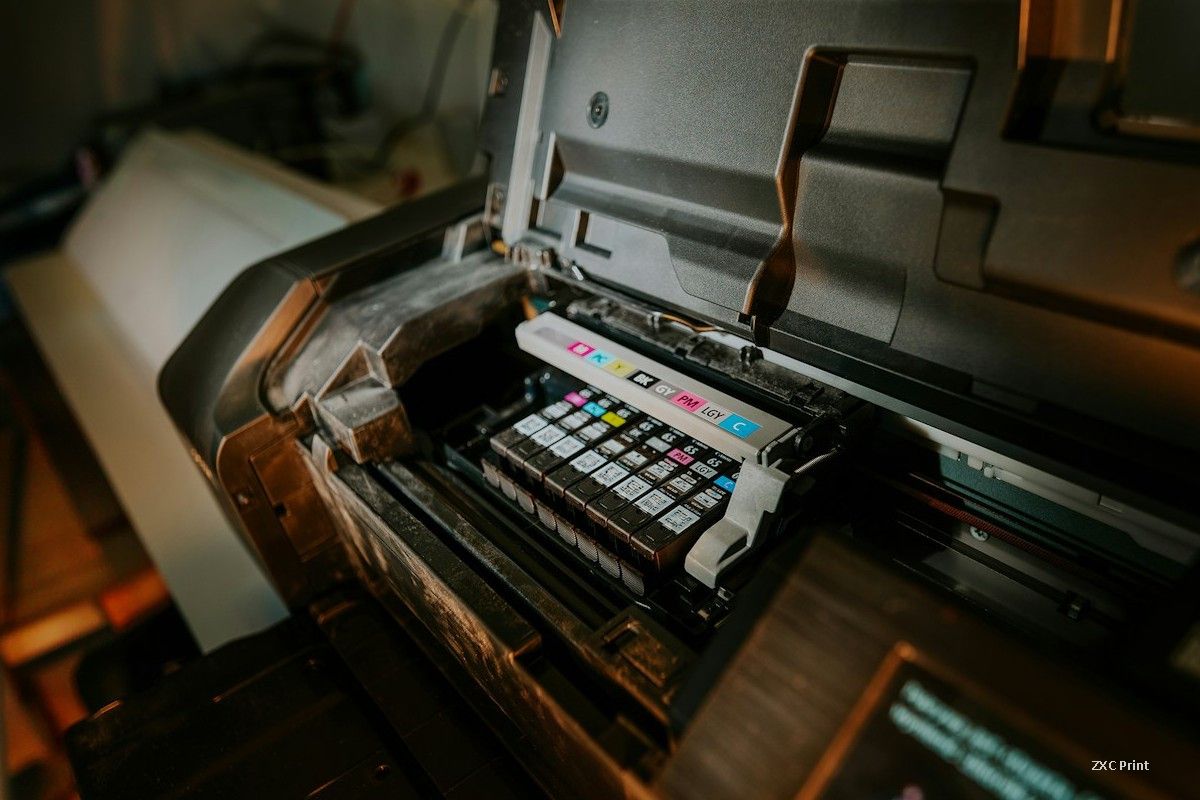
Keep Dust Away From the Ink Path
Dust is the quiet enemy of a coder. In a dusty room, particles drift into the main ink tank, travel to the secondary tank, and finally reach the printhead. Once dust settles on the nozzle face, drop formation becomes uneven and print quality drops. Cleaning a contaminated head takes production time, so it pays to keep the machine area tidy, close unused ink ports, and wipe down the machine body on a schedule.
Never Rub the Nozzle Face
The nozzle plate must not come into contact with hard objects. Fine fibers and grit easily catch on the nozzle surface, block individual jets, and cause missed dots or ink that drips where it should not. Operators should follow the machine manual for every cleaning step and avoid improvised tools. A soft, lint-free wipe used exactly as the maker directs is enough for routine care; anything more aggressive invites permanent damage.
Leave the Ink Delivery Parts in Place
Every part on the ink path has a job. The main ink tank, the secondary tank, and the filters keep the flow stable and stop contamination from reaching the head. Removing these parts without a reason disturbs the sealed ink path and lets air or dirt in. When a filter reaches the end of its service life, replace it with the maker's part and follow the listed interval rather than waiting for a failure.
Use the Ink the Machine Was Built For
Ink quality shows up directly on the printed code. Inks that pass the maker's tests are matched to the printhead's drop size, viscosity range, and drying behavior. Random refills or store-brand ink can clog jets or dry too slowly, and additives mixed in by hand do more harm than good. Buying ink from the original equipment maker is the cheapest insurance a coding line can buy.
Clean and Cap the Head at Shutdown
The minutes after a run matter as much as the run itself. Before powering down, run the cleaning cycle so the nozzle face is clear, then park the printhead on the cap that holds a moist sponge. The sponge keeps the nozzle plate from drying out overnight. A head left exposed dries hard, and dried ink in the jets is the most common cause of a poor first code the next morning.
None of these steps is difficult. They work because they are repeated. A short daily routine, followed by every operator on every shift, keeps the printhead healthy and turns the machine's most fragile part into its most predictable one.