
How IoT Technology Improves Quality in Gravure Printing
Gravure printing has long been a preferred choice for high-volume print projects, from magazines and catalogs to packaging and labels. Its ability to deliver consistent color quality across long runs, combined with cost efficiency at scale, makes it a cornerstone of commercial printing. But the complex machinery behind gravure printing involves dozens of moving parts, rollers, ink systems, and control electronics working in precise coordination. Even a minor deviation can affect print quality across thousands of copies.
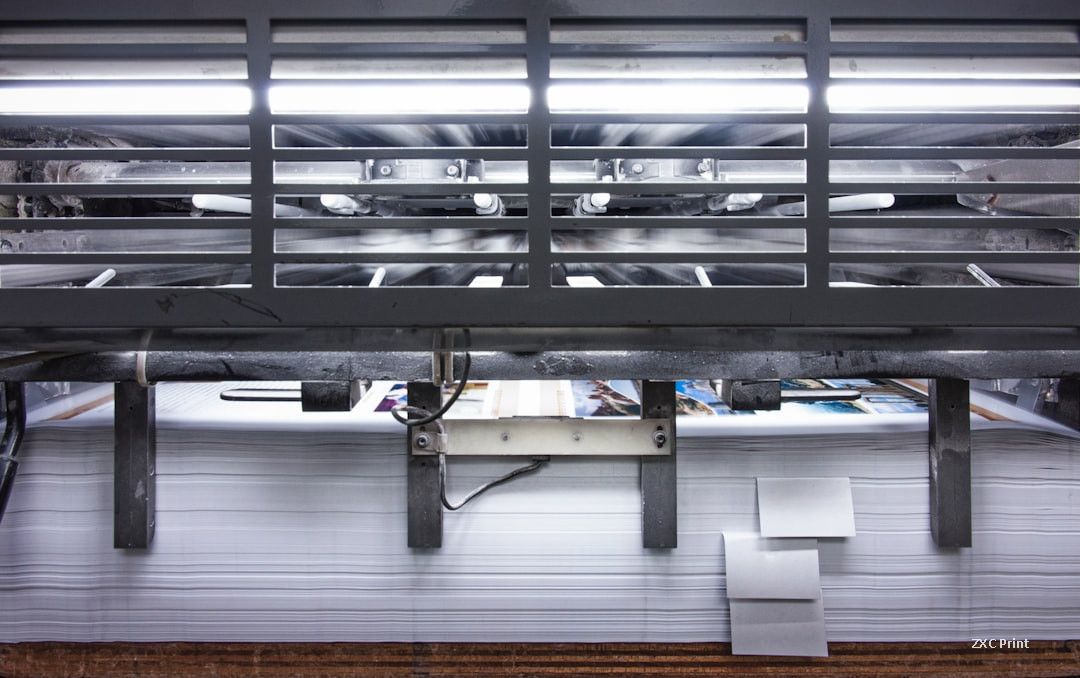
Today, printing facilities are turning to Internet of Things (IoT) technology to monitor gravure presses in real time. This shift brings direct benefits to customers: fewer defects, consistent output, and faster turnaround times.
What IoT Monitoring Means for Print Quality
In a gravure press, cylinders engraved with tiny cells transfer ink onto paper or film. The pressure between cylinders, the viscosity of the ink, the temperature of the drying system, and the tension of the web all influence the final result. Traditionally, operators adjusted these parameters based on experience and periodic manual checks. But subtle changes could go unnoticed until a run of defective sheets appeared.
IoT-enabled sensors change that. Vibration sensors on roller bearings, temperature probes on drying units, and pressure sensors on the impression rollers continuously collect data. This data flows to a cloud platform where algorithms analyze it against ideal operating parameters. When a reading drifts outside the acceptable range, the system flags it immediately, often before any visible defect occurs.
From Reactive to Predictive Quality Control
Conventional fault detection relied on catching problems after they happened. An operator might notice color variation or streak marks, then stop the press to investigate. With IoT monitoring, the approach shifts to predictive maintenance and quality control. The system learns patterns from normal operation and detects anomalies: a bearing showing early signs of wear, an ink pump losing pressure, a dryer temperature fluctuating. Technicians can address these during scheduled maintenance rather than during a crisis shutdown.
For customers, this means fewer production delays and more predictable delivery schedules. A print job running on a monitored press is less likely to encounter mid-run quality drift that results in wasted paper and rejected copies.
Sensor Technology in Modern Gravure Presses
Modern presses integrate multiple sensor types. Accelerometers on the printing cylinders measure vibration patterns that can reveal misalignment or bearing wear. Temperature and humidity sensors in each printing unit ensure consistent ink drying. Tension sensors across the web path maintain proper material feed. Some installations now use RFID sensors that require no battery replacement, reducing maintenance overhead while enabling continuous monitoring across the entire production line.
The data from these sensors is processed using techniques like wavelet analysis, which can isolate specific signal patterns from background noise. This allows the system to distinguish between normal operational vibration and the signature of a developing fault. The monitoring system grows more accurate over time as it accumulates more operational data.
What This Means for Print Buyers
When you choose a printer who invests in IoT-enabled gravure presses, you gain several advantages. Print consistency across long runs improves because the press maintains tighter control over all parameters. Color matching across reprints becomes more reliable because the system records and can reproduce the exact conditions of the first run. And because potential issues are detected early, production schedules are less likely to be disrupted by unexpected machine downtime.
These advances in press monitoring represent a broader trend in the printing industry: the move toward data-driven production. For buyers of book printing and other high-volume print products, this technology translates directly into better results.
Gravure Printing in the Modern Era
Despite the rise of digital printing, gravure printing continues to hold a strong position in high-volume markets. The global gravure printing press market was valued at approximately USD 5.4 billion in 2019, with projections reaching USD 6.5 billion by 2026. Its advantages in color reproduction, run length, and per-unit cost make it irreplaceable for many applications. The integration of IoT technology strengthens these advantages by adding a layer of precision and reliability that was not possible before.