
Letterpress printing, which uses raised type and image plates to transfer ink onto paper, remains a respected technique for creating distinctive printed pieces. From limited-edition books and art prints to high-end business cards and invitations, the process produces impressions with a tactile quality that digital printing cannot match. However, letterpress comes with several recurring technical challenges. Understanding these faults and their solutions helps print buyers communicate effectively with their printer and achieve better results.
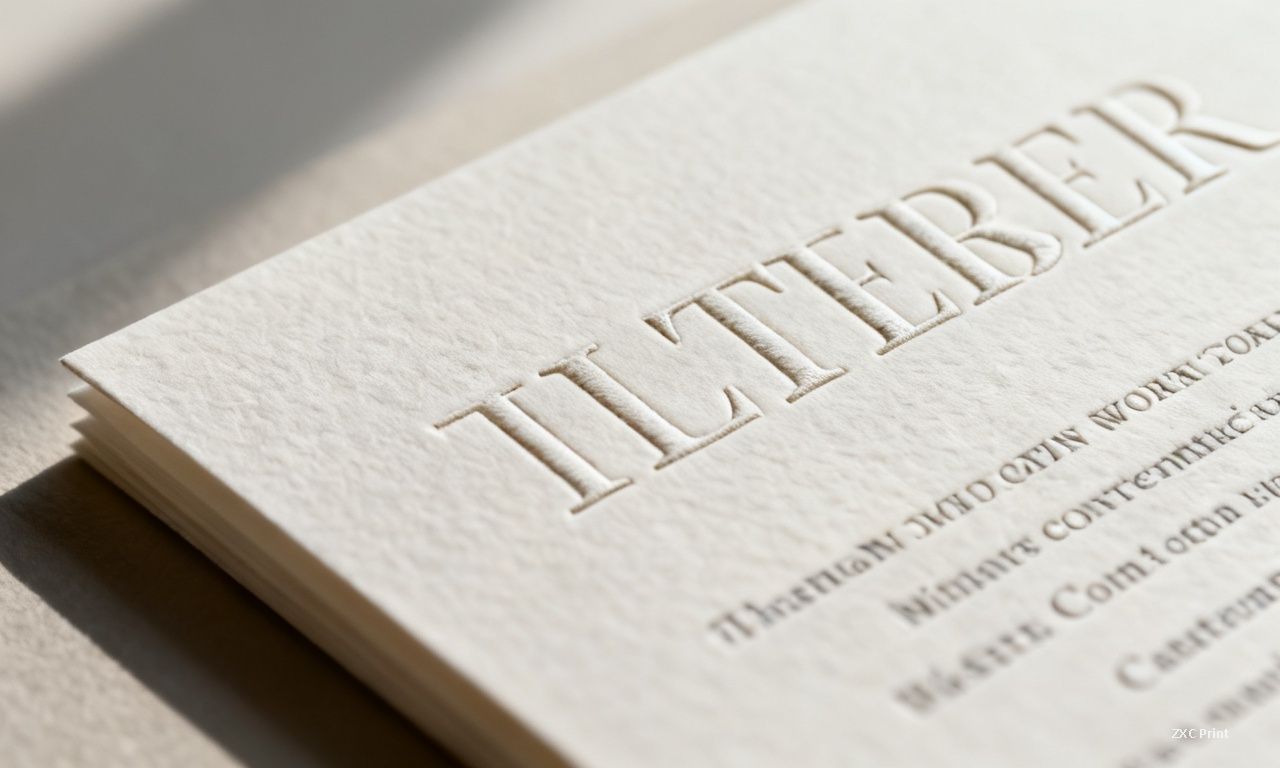
Set-Off (Backside Smearing)
Set-off occurs when wet ink from a freshly printed sheet transfers onto the back of the sheet stacked above it. This is one of the most common letterpress faults and can ruin the appearance of both sides of a printed piece. The primary solution is powder spraying, where fine calcium carbonate particles are applied to sheets as they exit the press. These microscopic particles create a thin separation layer that prevents direct contact between wet ink and the next sheet. Accelerating ink drying time also helps. Reducing the stack height of printed sheets and interleaving with absorbent paper are additional practical measures that printers use to minimize set-off.
Print-Through (Show-Through)
Print-through is the visibility of printed matter from one side of a sheet on the opposite side. This happens when ink penetrates deeply into the paper fibers, particularly with thin or porous paper stocks. To prevent print-through, printers select papers with higher density and tighter fiber structure. Increasing ink viscosity and reducing printing pressure also limit ink penetration. For self-publishing authors and designers specifying paper for a letterpress project, choosing a heavier or more compact paper stock is the most effective preventive measure.
Ink Misting (Flying)
Ink misting, also called ink flinging or flying, refers to fine droplets of ink that become airborne during high-speed printing. This is most common on rotary letterpress machines where centrifugal force throws ink particles into the air. The mist can settle on press components, printed sheets, and the surrounding workspace, creating defects and cleanup challenges. Increasing humidity in the pressroom helps reduce misting by preventing ink from drying too quickly at the roller surface. Using conductive inks, such as water-based formulations, also minimizes static attraction that contributes to misting. Maintaining optimal ink viscosity and roller temperature further reduces this issue.
Static Electricity
Static electricity during letterpress printing causes sheets to stick together, misalign on the feed table, or fail to stack properly at the delivery end. These problems lead to registration errors and production delays. The most direct solution is installing static eliminators on the press, which ionize the surrounding air to neutralize positive and negative charges on the paper. Spraying a fine water mist near the impression cylinder or around the press area provides another effective static reduction method. Maintaining higher humidity in the print shop is a longer-term preventative strategy that addresses the root cause, dry air allowing static buildup.
What to Look for in Letterpress Print Quality
When ordering letterpress printing, knowing the quality benchmarks helps you evaluate proofs and finished pieces. Standard requirements include dimensional accuracy within 0.5 mm for fine work and 1.0 mm for general production. Ink coverage and impression pressure should be uniform across the printed area. Type should be sharp and complete. Fine work demands every character fully formed without broken strokes. For multi-color or multi-pass work, registration between colors should fall within 1.5 mm for high-quality pieces and 2.5 mm for standard production. Finished sheets should be clean, with no visible spots, blocking, or ink marks.
By understanding these common letterpress faults and their remedies, you can have more informed conversations with your print provider and set realistic expectations for your project. Most issues are manageable with proper press setup, the right materials, and attention to print quality throughout the production process.