
Self-Adhesive Label Printing: Prepress Checks That Prevent Costly Errors
Self-adhesive labels are one of the fastest growing segments of the printing industry. Food, beverage, cosmetics, retail, and logistics businesses all depend on them, and demand keeps rising. At the same time, label work is technically demanding. A small prepress error, a wrong spot color, or a file that no longer matches the approved proof can ruin an entire production run and delay your product launch. Almost all of these problems are avoidable, and most of them start in the prepress stage, the phase between design and press.
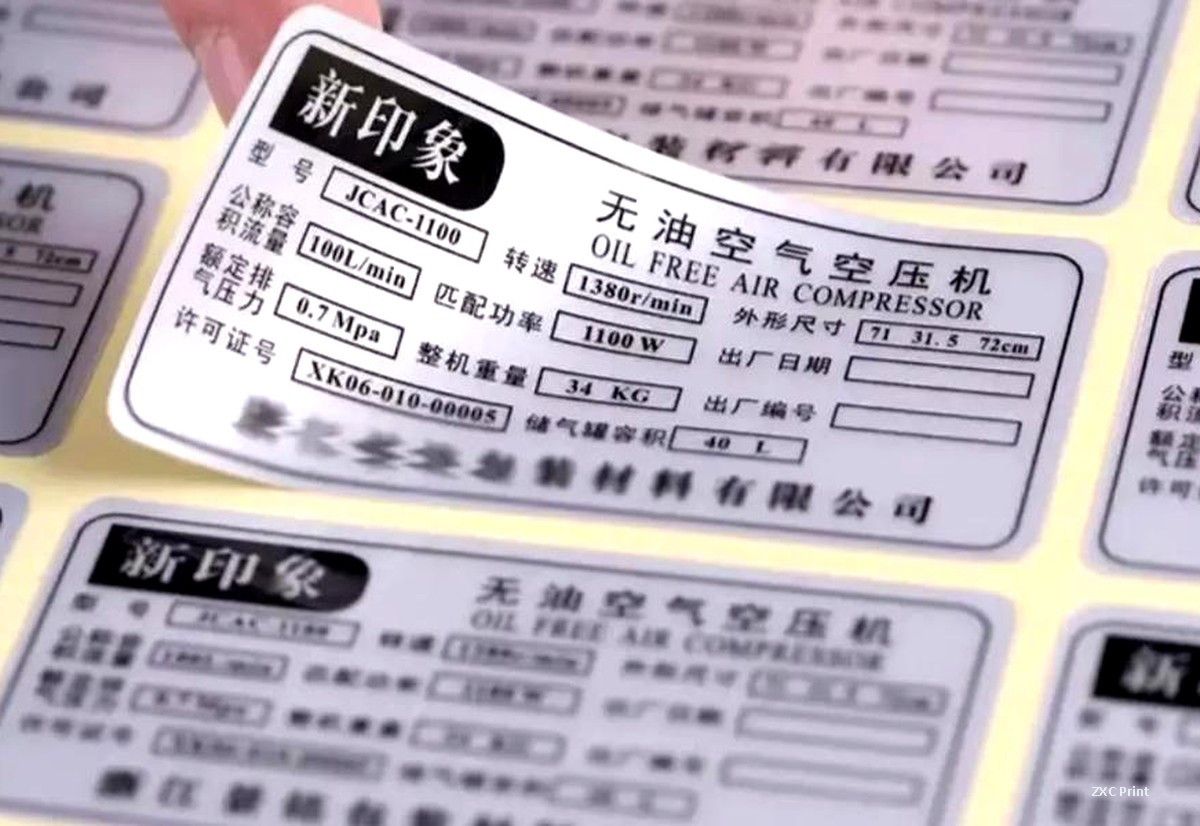
Why Prepress Decides Label Quality
Prepress covers everything that happens after design and before printing: file checking, color conversion, proofing, plate making, and die preparation. In label production this stage is especially sensitive, because labels are small, colorful, and often die-cut to unusual shapes. An error that looks harmless on screen, such as a die position shifted by a fraction of a millimeter or a spot color converted to process colors, becomes obvious on the finished roll.
Printers who run label jobs smoothly follow the same basic discipline. They keep detailed records for every job, note any color and dot gain adjustments, and write down the exposure and drying parameters used for each plate. Buyers never see any of this, but it is exactly why some suppliers deliver consistent results and others do not.
Always Approve a Proof, Not a Screen
The most valuable habit for a label buyer is formal proof approval. A reliable supplier runs a two-person check inside the shop and then asks the customer to sign off in writing. Compare the proof against your original artwork element by element: brand colors, barcode numbers, text spelling, dimensions, and the direction of the die-cut. State on the order whether colors are CMYK, spot (Pantone), or a mix of both. If a critical color matters to you and the supplier cannot offer a physical proof, ask why.
Your Files Affect Price and Lead Time
The way you hand over artwork influences how fast and how cheaply your labels get produced. Name files clearly with the job name and version number, and send the final flattened file rather than a chain of revisions. Specify trim size, bleed, and any coating or lamination. When a supplier keeps plates and die-cutting tools organized by customer and product, reorders become faster and cheaper, because the tooling already exists and the press settings are on record. It is worth asking your printer whether they store plates and dies for repeat orders and how those items are numbered.
What Has Changed in Modern Label Production
Traditional film-based workflows, in which images were exposed onto photographic film and then copied to plates, are now rare. Most label shops use computer-to-plate (CTP) systems or direct digital presses. The discipline behind them is unchanged: exposure parameters must be recorded, proofs must match the final file, and every plate and die must be traceable to a job number. Digital workflows also make proofing faster, so there is less excuse for a color surprise.
Questions to Ask Before You Order Labels
Before placing a label order, ask your printer how proof approval works, whether a physical color proof is available, how spot colors are converted, and whether plates and dies are kept for reorders. A supplier who answers these questions clearly is more likely to catch problems before they reach the press, which protects your timeline and your brand.