
Three Objective Factors That Affect Printing Product Quality
Print quality is not decided by a single operation on the press. It is shaped by conditions that sit around the machine every working day, and three of them carry most of the weight: the materials that go into the job, the equipment that runs it, and the environment the plant keeps. Understanding how each one behaves helps a shop hold a stable result instead of chasing defects after they appear.
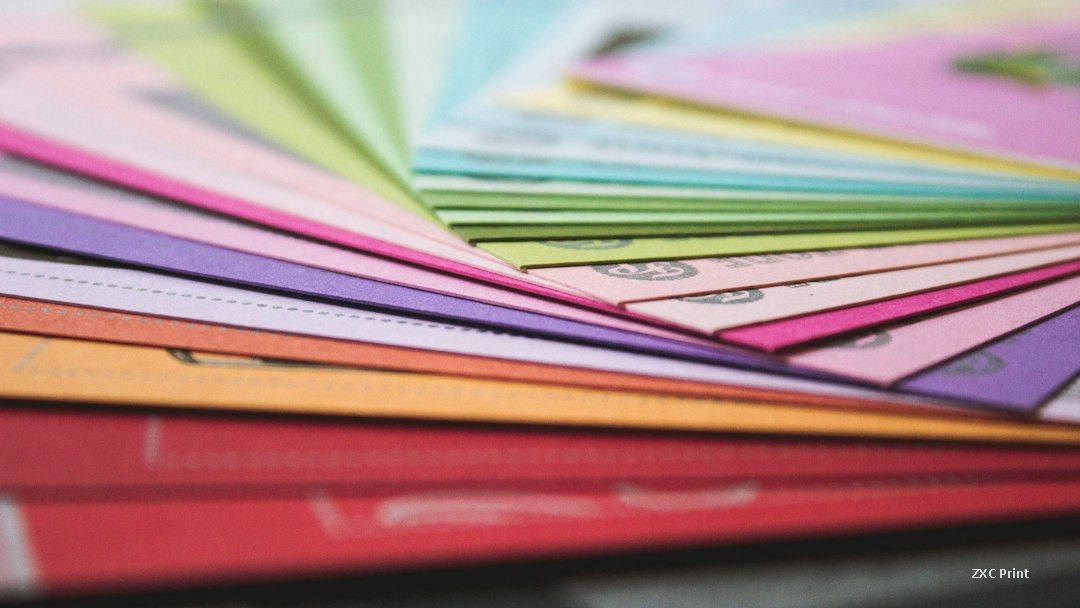
Printing Consumables
Paper, ink, plates, and fountain solution each carry their own properties, and those properties feed straight into the printed sheet. Before a job starts, the operator needs to know how each material performs and where its limits sit. The same paper that gives crisp detail on a label may be the wrong choice for a soft, low-contrast book page, because different products call for different visual results. High-brightness coated stock with smooth surfaces and good opacity suits label work, while outdoor pieces push fade resistance to the top of the list when ink and paper are chosen. Press blankets also vary in hardness, and the right grade depends on what is being printed. Matching materials to the intended result, rather than to habit, removes many quality problems before they begin.
Printing Equipment
A job rarely passes through one machine. Books and packaging move across printing, binding, varnishing, and foil stamping, and each step depends on equipment that runs well and fits the next stage. When a machine fails often, it cannot deliver its full range of work, and semi-finished goods leave the line with defects that no later step can repair. Uptime is therefore a quality measure, not only a scheduling one. Some machines also need specific conditions to run correctly, so a device that is fine in one room can underperform in another. Keeping equipment in reliable working order protects the finished product at every transfer point.
Printing Environment
Temperature, humidity, dust, and light act on the sheet throughout production. In sheetfed offset, shifts in humidity make paper take on or release moisture, which changes its dimensions and throws off sheet travel and register. Temperature and airborne dust affect how ink and paper behave, and both influence how evenly the ink film dries and how consistent the final color reads. Flexo and gravure packaging work reacts even more sharply to these conditions: heat with low humidity slows the drying of water-based inks and invites picking and filling in, while heavy dust leaves bare patches across solid areas. Holding temperature and humidity steady and keeping dust low gives the plant a stable base for consistent output.
None of these three factors works in isolation. A stable product comes from choosing materials that fit the job, keeping machines in condition to run it, and controlling the room around them. Handled together, they remove the causes of most variation before the sheet ever leaves the press.