
How Motion Control Technology Improves Print Quality
When a printed book or label looks sharp, with colors lining up perfectly from sheet to sheet, the credit often goes to motion control technology inside the press. The machine must move paper, rollers, and print units at exactly the right speed and position, thousands of times per minute. Small errors in that movement show up immediately as misregistered colors, blurry type, or wasted sheets.
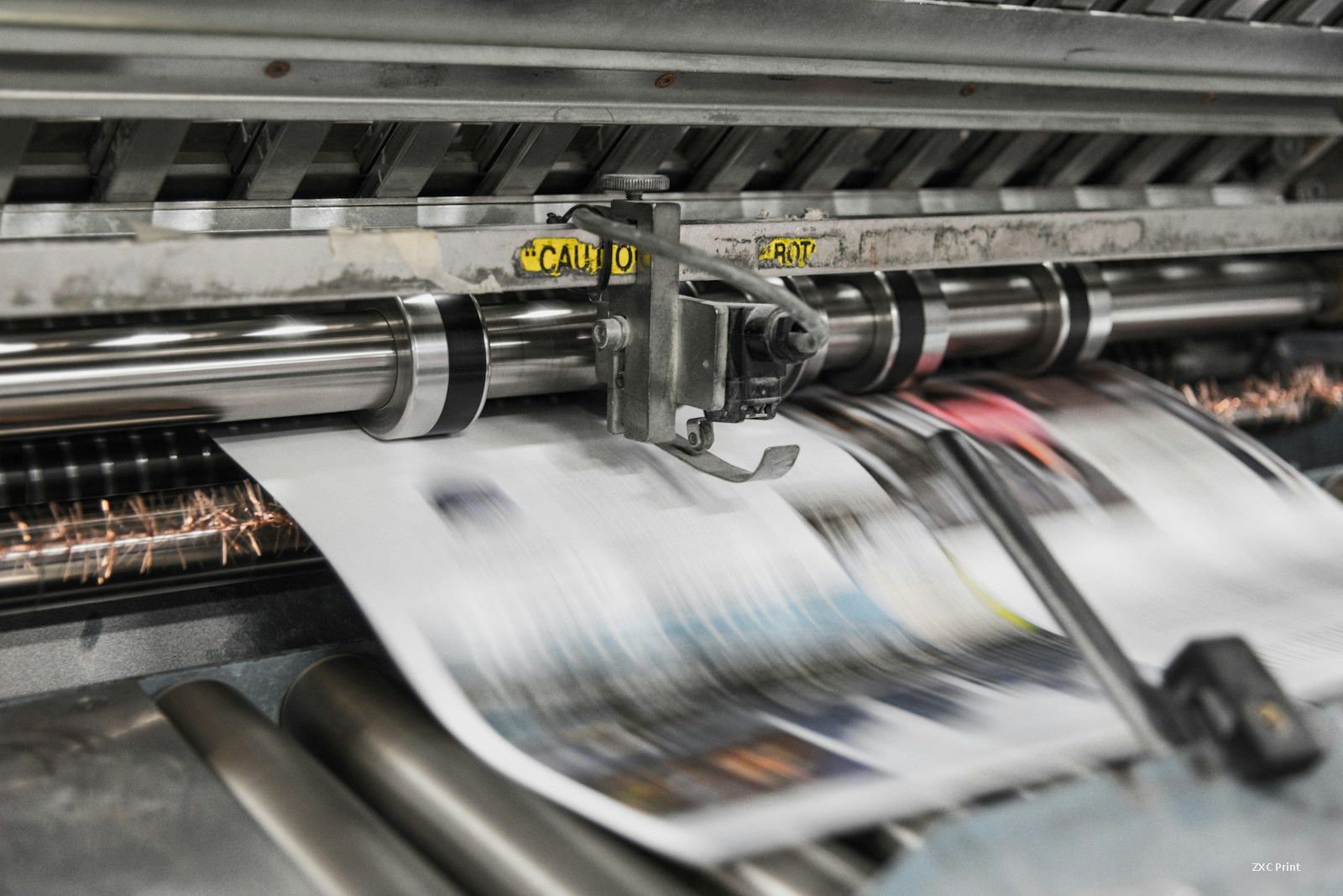
Older presses handled synchronization with mechanical coupling. Each color unit was tied to a single main drive shaft, so all units moved together by construction. That design worked, but it had limits. Shafts, gears, and clutches wear, they stretch under load, and adjusting one station usually meant adjusting every station.
Electronic gearing replaces mechanical shafts
Modern presses use electronic gearing instead. A controller coordinates every servo drive and motor over a digital network, so each color unit can be positioned and timed independently while staying locked to the others. There is no physical shaft to wear or flex. Registration is held by software, which means it stays consistent across a long run and can be corrected instantly if it drifts.
Closed-loop servo drives hold position
Label and packaging jobs often run on machines that once used open-loop stepper motors. Steppers move in fixed increments and can lose steps under load, which puts the print out of position. Closed-loop servo drives measure actual position and correct it in real time. The result is accurate placement on every impression, which matters for die cutting, lamination, and any job where the print must land exactly on the material.
Digital networks adjust on the fly
In a press or labeler, rolls of paper unwind and rewind constantly, so the roll diameter changes through every run. As the diameter changes, so does the inertia of the roll, and the servo loop needs different tuning values to stay stable. With an analog control interface, those values could not be changed while the machine was running. On a digital network, the controller reads the live values and adjusts them in real time, so the machine stays stable from a full roll to an almost empty core.
Digital networks also carry data from vision systems, barcode scanners, RFID readers, and robots, and they exchange data with plant control platforms. Fewer interface cables are needed, noise immunity is better than analog systems, and drives can be placed wherever they suit the machine layout. The same network supports modular designs, so options can be added to a base machine without rewiring.
Direct drive motors remove backlash
Direct drive motors connect straight to loads such as a printing cylinder, without gearboxes or belt and pulley systems. Removing those parts removes backlash, the small play that shows up as ghosting or uneven ink transfer at high speed. Many servo drives today are built with DSP processors and carry built-in safety circuits, so the drive and controller can be integrated into the machine safety logic as a single system.
What this means for your print job
You never see the servo loops inside a press, but you see their results. Presses with electronic gearing and closed-loop servo control hold registration run after run, which means consistent color from the first sheet to the last, fewer spoiled sheets, and fewer delays while the operator corrects drift. Motion control is also why modern presses reach stable quality faster after a job change, so short runs and frequent reprints become practical.
When you plan a book printing project, it is worth asking your printer how the press holds registration and how they control waste on long runs. The answers say a lot about whether the finished books will match the proof, and whether the delivery date is realistic.