Screen Printing vs Offset Printing for Non-Woven Bags: A Buyer's Guide
Non-woven fabric bags are everywhere: reusable shopping totes, trade-show giveaways, brand merchandise, and packaging for clothing and cosmetics. Most are made from spun-bond polypropylene, a lightweight, tear-resistant material that is inexpensive to produce. But before placing an order, buyers face a key decision: which printing method to use. Two processes dominate the market for non-woven bags, screen printing and offset (lithographic) printing, and each suits different jobs.
How screen printing works
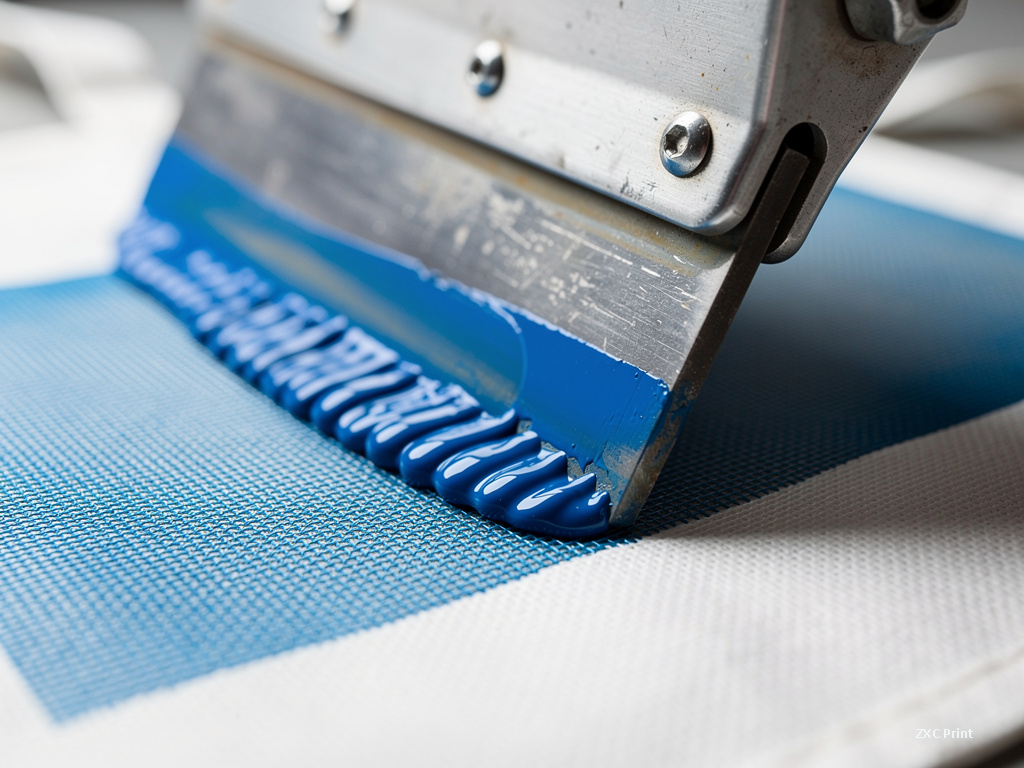
Screen printing pushes ink through a fine mesh stencil using a squeegee, applying one color at a time. Every color needs its own screen, so setup is quick and cheap for small quantities. This is the traditional way to decorate non-woven bags and remains the standard for simple logos and one- or two-color designs.
Strengths of screen printing
For short runs, screen printing is hard to beat. Setup costs are low, and the thick ink layer gives good opacity on the textured fabric surface. Bold, flat designs with few colors print quickly and economically.
Weaknesses of screen printing
Screen printing has real limitations that become obvious on more demanding jobs. The ink has a noticeable odor and dries with a raised, slightly stiff feel, so the surface is never completely smooth. Most conventional screen inks for non-woven fabric are solvent-based and not environmentally friendly, while eco-friendly water-based inks struggle to achieve strong color on polypropylene. Fine halftone dots are difficult to hold, making accurate color matching a challenge. Gradients and photographic artwork are practically impossible. And because each color is applied by hand, labor costs climb quickly as quantities and color counts rise.
How offset printing compares
Offset printing transfers ink from a plate to a rubber blanket and then onto the fabric. It delivers far higher precision: photographic images can be reproduced with over 95 percent color fidelity, fine dots stay sharp, and smooth gradients and even portrait artwork are achievable. The process can use eco-friendly inks on a variety of sustainable materials, which matters as retailers tighten environmental requirements. Production is fully automated, so once the press is set up, every bag matches the approved sample and unit costs fall on medium and large runs. The trade-off is a higher setup cost, which makes offset printing uneconomical for very small quantities.
Choosing the right method
A useful rule of thumb: for short runs with simple, bold logos, screen printing keeps costs down. For larger quantities, photographic designs, gradients, or projects with strict eco requirements, offset printing is the better value. Before mass production, always request a physical sample and check ink adhesion and rub resistance, since inks on non-woven fabric can wear with heavy use. Confirm the fabric weight, commonly 70 to 100 grams per square meter, as heavier fabric feels sturdier and prints more evenly. Finally, ask about drying and curing time, as it directly affects delivery schedules. Understanding these trade-offs helps buyers get a bag that looks right, lasts, and stays within budget.