
Why Tension Control Matters in Flexo Printing
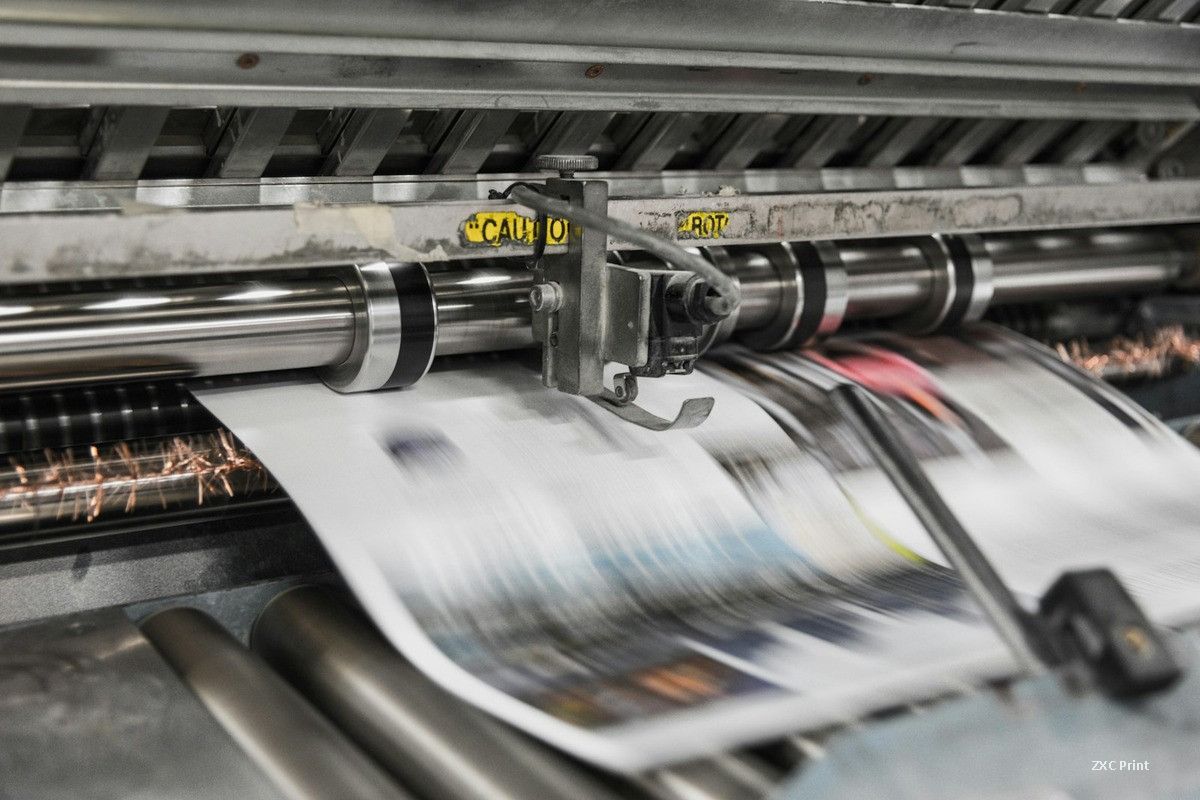
Flexographic printing, or flexo, is a rotary process that runs a continuous web of material through the press at high speed. Labels, flexible packaging, and folding cartons are typical jobs. Because the web never stops moving, the press must keep it under steady control from the unwind roll to the rewind roll. That control is called web tension, and it decides final print quality more than most buyers realize.
What Tension Actually Does
Tension is the pulling force applied to the web as it travels between rollers. Too little tension and the web sags or wanders sideways, so colors land off target. Too much tension and the material stretches; thin films can even distort permanently. In both cases the press produces waste instead of sellable product.
Register Accuracy Depends on Steady Tension
In a multi-color flexo press, each printing unit adds one color on top of the previous one. The image looks right only when every color sits exactly where it should, a property printers call register. Many presses hold register within about ±0.005 inch, roughly the thickness of a sheet of copy paper. Text stays sharp and graphics stay crisp only inside that window.
Unstable tension is the most common cause of register drift. When the web stretches or relaxes between two printing units, the second color lands slightly off from the first, and the error grows across the run. On a wide web, the printer may discard dozens of meters of material before noticing. That waste shows up in the final price.
Speed Changes Are the Hardest Part
Press speed changes constantly during a job: at startup, when splicing in a new roll, and during inspection stops. Every acceleration and deceleration changes the forces acting on the web. A well-tuned press keeps tension variation minimal through these transitions so register shifts stay small. Older machines depend on the operator skill with dancer rollers and brake adjustments. Modern presses use load cells and closed-loop controllers that measure tension continuously and correct it in real time.
What Buyers Should Look For
You cannot see tension control in a printed sample, but you can ask the right questions. Ask about the press register tolerance and how the shop manages tension during speed changes. Thin films and stretchy label stocks demand even tighter control, because those materials deform easily under load. A printer with disciplined tension management delivers consistent color from the first meter to the last, and fewer defects mean a lower unit cost for you.